Dumpster Sizing for OKC’s Most Common Projects: A Practical Local Guide
START WITH OUR GOAL: AVOID OVERFLOW, EXTRA SWAPS, AND WASTED SPACE IN OKLAHOMA CITY.
When we plan a dumpster rental in Oklahoma City, we focus on matching the container to real volume, weight, and access at the job site. A small container can create overflow, extra trips, and clutter that slows down work on construction projects, home cleanouts, and residential renovation tasks. A container that feels too large can crowd driveways, block access, and reduce safe loading space in residential settings and commercial construction sites.
Our sizing approach starts with three checkpoints: project size, debris type, and the desired rental period. When we size correctly, our waste disposal plan stays simple, loading stays safer, and scheduling stays easier. For OKC dumpster rentals, we also recommend checking local regulations before placing a roll-off dumpster at the curb.
Our Simple Dumpster Sizing Cheat Sheet: Choose Dumpster Sizes By Cubic Yard And Debris Type
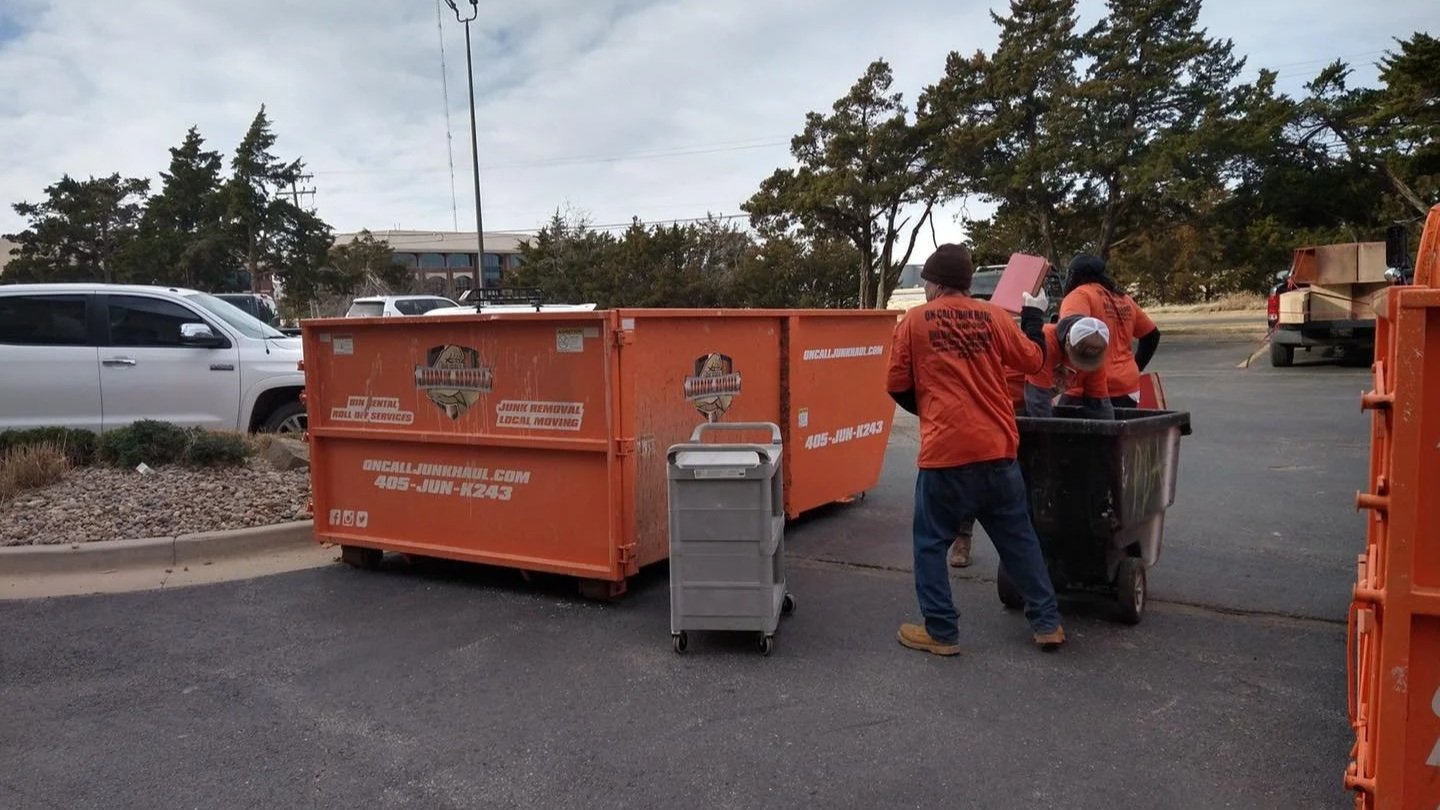
When customers ask how to size dumpster options, we recommend using dumpster sizes measured by cubic yard capacity, then confirming based on bulky items and dense materials. Bulky items can fill space fast, while dense loads can push weight limits quickly. For our planning, one of the fastest ways to pick the right roll-off dumpster involves listing the biggest items first, then adding any dense debris such as roofing and tile.
Common fit guidelines often look like this: smaller containers for a single-room purge, mid-size containers for multi-room cleanouts or moderate remodeling, and larger containers for whole-home volume or mixed debris. For bigger demolition or ongoing work, a construction dumpster can support steady loading without debris piles spreading across the driveway or staging area.
Garage Cleanouts And Storage Unit Cleanouts in Oklahoma City
For garage cleanouts, we often see mixed loads: boxes, shelving, broken furniture, old tools, and miscellaneous household clutter. Boxes and bags trap air, so volume adds up faster than expected. When a storage unit cleanout joins the plan, the load usually includes bulky items that raise space needs even more. A residential dumpster works well for many garage and unit purges, especially when loading stays organized, and cardboard gets flattened.
For a smooth load, we stage items into piles, break down bulky pieces, and load flat materials along the container walls. This approach improves loading density and supports cleaner disposal practices. When a project involves both indoor cleanouts and outdoor staging, protective boards can help protect driveways during loading.
Kitchen And Bathroom Remodel Debris: Cabinets, Drywall, Tile, And Construction Debris
Kitchen and bath work can generate heavy and bulky debris at the same time. Cabinets take up space, while tile and drywall can add weight quickly. For these jobs, a mid-size roll-off dumpster often matches the typical volume of cabinet removal, drywall, and flooring. When multiple rooms get removed at once, a larger container can reduce the chance of needing a second haul.
For construction debris, our best results come from breaking down cabinet boxes, cutting long pieces, and stacking flat sections. This method reduces air pockets and keeps the load stable. For any plan involving Hazardous Materials, we stop and separate those items immediately, since hazardous waste cannot enter the dumpster.
Roofing Tear-offs in OKC: Plan For Dense Loads And Careful Waste Disposal
Roofing debris often looks manageable until the weight adds up. Shingles and underlayment create dense loads, so size selection must consider more than volume. For roofing, we recommend choosing a container that supports the roof scope and allows even loading across the bed, since uneven piles can complicate pickup and safe access.
We also recommend keeping roofing loads mostly uniform rather than mixing in furniture or general junk. This approach supports smoother hauling and more predictable waste disposal handling. For quick turnaround needs, ask about same-day dumpster Delivery when scheduling.
Flooring Removal: Carpet, Padding, Hardwood, Laminate, and Responsible Waste Disposal
Flooring can swing between bulky and dense. Carpet and padding fill space quickly, while hardwood and tile add weight. For multi-room flooring removal, a mid-size to larger container often fits better than a small option, especially when baseboards, trim, and underlayment join the debris pile.
We cut carpet into manageable strips, stack planks, and load evenly to reduce wasted space. This approach also supports responsible waste disposal and safer loading. For any debris that raises questions, our team can review the list before delivery to confirm acceptable items.
Moving, downsizing, residential cleanouts, and property cleanouts
Moving projects often create a mix of furniture, general junk, and packing waste. Downsizing can add a steady stream of discarded items for several days. For residential cleanouts and property cleanouts, the biggest sizing factor often comes from bulky items such as couches, bed frames, and dressers.
For these projects, a garbage and junk dumpster can keep the driveway clear and reduce curb pileups. When a job includes both moving debris and old household clutter, combining junk removal services with a dumpster plan can help streamline the timeline. For certain items that do not fit the dumpster plan, ask about bulk pickup options during scheduling.
Yard waste and storm cleanup: yard waste dumpster planning for Oklahoma City
Storm cleanup and seasonal yard refresh jobs can produce branches, brush, fencing, and bagged leaves. Branches fill volume fast due to odd shapes, so cutting into shorter sections improves packing. Bagged leaves stay light but bulky, which often calls for more space even when the weight remains low.
For these projects, a yard waste dumpster can help manage load volume while keeping outdoor piles under control. When the goal involves clean outdoor staging and efficient hauling, our plan focuses on safe loading, clean stacking, and clear access for pickup.
Items to keep out: Hazardous Materials, concrete, and dirt
For safe loading and compliant disposal, we keep certain items out of the dumpster. Hazardous Materials cannot go in the container. Concrete and dirt also cannot go in the dumpster, and a separate disposal plan will be required for those materials. When uncertain about a material, we recommend setting the item aside, then confirming before loading continues.
This step protects the project timeline and reduces the risk of needing a partial unload. Clear sorting also supports better eco-friendly practices and cleaner disposal practices overall.
Placement, Drop-Off Locations, and local regulations in OKC
Before delivery, we confirm placement space, turning access, and overhead clearance. Drop-Off Locations can include driveways, private lots, or approved curb areas, depending on access and local regulations. A larger container needs more clearance, and placement planning can influence which size works best.
In residential settings, we often use protective boards to reduce surface wear and support cleaner placement. For tighter access areas, a residential-friendly approach can keep the driveway usable while still providing enough room for loading. Many customers also ask for residential-friendly dumpsters, which refers to sizing and placement options that fit typical driveways and neighborhood layouts.
Scheduling, rental terms, flat rates, and customer service
A smooth project depends on clear scheduling and clear expectations. Before delivery, we review rental terms, confirm the Rental Period, and align delivery and pickup around the project schedule. When timing feels tight, ask about Same Day Dumpster Delivery and flexible pickup options, since availability can change quickly based on route volume.
We also hear frequent questions about pricing. Many projects work well with flat-rate pricing and clear flat rates that match the debris plan. For scheduling help, our customer service team can review debris lists, placement details, and timing goals. Strong Customer Service, fast Response Time, and Rapid Response Time communication help keep remodels, cleanouts, and commercial work moving forward while supporting Customer Satisfaction.
Choosing the right dumpster for construction projects and commercial debris
For heavier renovation and demolition work, a Construction Dumpster can support steady loading and reduce jobsite clutter. For mixed-use needs, a commercial dumpster can help manage commercial debris from cleanouts, tenant turn work, and light construction. For larger scopes at commercial construction sites, planning for consistent loading and prompt pickup can reduce downtime and keep staging areas clear.
For projects that combine remodeling debris with household clutter, pairing a dumpster plan with junk removal can simplify the overall cleanup strategy. When additional hauling support becomes necessary, Junk Hauling options can help remove oversized items that disrupt packing efficiency.
Call us to schedule your service in Oklahoma City
When a dumpster plan needs quick confirmation, Call Us to review size, debris type, placement, and scheduling details. For dumpster rental and cleanup support in Oklahoma City, contact On Call Junk Haul & Moving at (405) 913-6751 or use our online form. When ready, we can help schedule your service with a clear plan for container size, timing, and accepted materials.
FAQs About Our Service
How do we choose between a roll-off dumpster and junk removal services?
A roll-off dumpster works well when debris will be generated over several days or when loading will happen in stages. Junk removal services can help when a fast clear-out is the priority or when bulky items need hands-on hauling support. For many projects, combining both approaches can improve flow.
What dumpster sizes work best for home cleanouts and garage cleanouts?
For home cleanouts and garage cleanouts, the best fit depends on bulky items and how much staging space remains. When furniture and boxed items dominate the load, a larger container can prevent overflow caused by trapped air volume.
Can yard waste go into a yard waste dumpster with household junk?
A yard waste dumpster works best when loaded with branches, brush, and bagged leaves. Mixing yard debris with household junk can reduce packing efficiency and complicate sorting for eco-friendly services goals. When a mixed load becomes necessary, we recommend confirming acceptable materials in advance.
What materials cannot go into the dumpster?
Hazardous Materials cannot go into the dumpster. Concrete and dirt also cannot go into the dumpster. Keeping restricted items out supports compliant handling and safer pickup.
How do rental terms and the Rental Period work for construction projects?
Rental terms outline timing, pickup scheduling, and acceptable debris rules. The rental period should match the pace of debris generation for construction projects so loading stays safe and the job site stays clear.