Choosing the Right Dumpster Size for Your Home Renovation
RIGHT-SIZED DUMPSTERS FOR STRESS-FREE RENOVATION CLEANUP IN OKLAHOMA CITY, OK
Home renovation projects can create a surprising amount of waste. Old cabinets, flooring, drywall, furniture, packaging materials, and other debris can quickly pile up and make a worksite difficult to manage. Choosing the right dumpster size before a project begins helps keep cleanup organized and supports a smoother renovation process from start to finish. Whether tackling a DIY project, a home remodel, a spring cleaning effort, or a residential addition, selecting the correct container is an important part of effective waste management.
For homeowners in Oklahoma City, OK, selecting an appropriate dumpster rental starts with understanding the scope of the renovation, the type of debris involved, and the amount of space available on the property. A properly sized roll-off dumpster can help prevent overflow, reduce clutter, and provide a convenient location for renovation debris removal throughout the project. Dumpster rentals are commonly used for both residential and commercial projects that generate significant amounts of construction & demolition debris.
Why Dumpster Size Matters During a Renovation
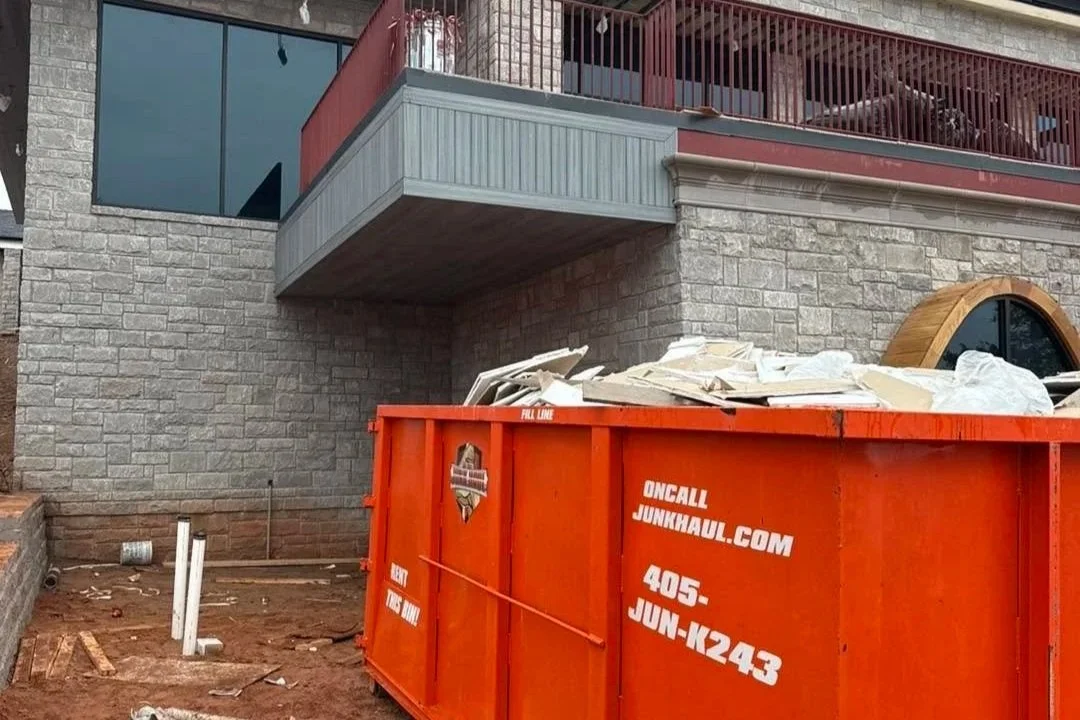
A dumpster that is too small may fill up faster than expected, creating delays and requiring additional pickups or rentals. A dumpster that is too large can take up more space than necessary and may not be the most practical choice for the property. Choosing among available dumpster sizes and container sizes helps ensure the project stays organized.
Every home renovation project generates a different volume of debris. A small bathroom remodel produces significantly less waste than a whole-home renovation or commercial renovation. Understanding the expected debris volume allows homeowners to select waste containers with the appropriate container capacity for project requirements without unnecessary complications.
Proper sizing also improves safety on a construction site. Keeping construction debris contained in one designated area reduces tripping hazards and helps maintain a cleaner work environment throughout construction activity. Effective debris removal also helps keep pathways clear for workers and property owners.
Common Home Renovation Projects and Dumpster Needs
Different renovation projects often require different dumpster capacities. Understanding the typical waste generated by each project can help narrow down the best rental option.
Small renovation projects may include:
Bathroom remodels
Closet renovations
Minor flooring replacement
Single-room updates
Garage cleanouts
Home cleanouts
Medium-sized projects may include:
Kitchen remodels
Multiple-room flooring replacement
Deck removal
Large furniture removal
Extensive attic cleanouts
Remodeling cleanup projects
Large renovation projects may include:
Whole-home renovations
Major remodeling projects
Multi-room demolition
Large property cleanouts
Moving-related decluttering projects
Commercial renovation work
Demolition jobs
The larger the renovation area, the greater the amount of construction waste generated. Estimating waste volume early can make dumpster selection much easier and help determine whether one of the larger roll-off boxes is necessary.
Factors to Consider When Selecting a Dumpster Size
Several important factors should be reviewed before scheduling a dumpster rental.
Type of Debris
Not all renovation debris occupies the same amount of space. Lightweight materials such as drywall, cardboard, insulation, and wood can fill a dumpster quickly. Heavy materials such as roofing and demolition material, and other dense construction & demolition waste removal materials can significantly affect weight limits.
Understanding the primary materials involved in the project can help determine the appropriate roll-off dumpster size.
Project Scope
A complete kitchen renovation often produces more debris than a simple cabinet replacement. Similarly, removing flooring from multiple rooms creates more waste than replacing flooring in a single room.
Projects involving roofing material, a roofing job, demolition dumpster needs, or extensive demolition work often require larger roll-off containers to accommodate the additional debris.
Property Space
Available space on the driveway or property can influence dumpster selection. Larger yard containers and waste containers require more room for placement and access. Measuring the intended location before delivery helps ensure a smooth rental experience.
Many deliveries use driveway-protecting wood planks beneath the container to help minimize surface contact during placement and pickup.
Future Project Changes
Many renovation projects expand once work begins. Additional demolition, unexpected repairs, or extra cleanup tasks can increase debris volume. Choosing a dumpster with additional container capacity may help accommodate unforeseen waste and avoid interruptions to the service schedule.
Understanding Dumpster Capacity
Dumpster sizes are typically measured in cubic yards, representing the amount of material a container can hold. Different yard dumpsters and roll-off dumpster services are available to accommodate projects of varying sizes.
Smaller dumpsters are often suitable for:
Minor renovations
Small cleanouts
Bathroom remodeling projects
Limited demolition work
Medium-sized dumpsters are commonly used for:
Kitchen renovations
Flooring replacement projects
Garage cleanouts
Deck removal
Home cleanouts
Spring cleaning projects
Larger dumpsters are generally selected for:
Major home renovations
Large-scale cleanouts
Whole-home remodeling projects
Extensive demolition work
Commercial Projects
Construction & demolition debris removal
Matching the dumpster size to the estimated debris volume helps maximize efficiency throughout the renovation.
Benefits of Renting the Right Dumpster Size
Choosing the appropriate container size offers several advantages during a renovation.
Improved Organization
A dedicated location for debris helps maintain a cleaner work area. Contractors and homeowners can dispose of waste immediately rather than allowing materials to accumulate throughout the property.
Reduced Project Interruptions
A dumpster with adequate capacity reduces the likelihood of overflow and minimizes disruptions related to debris removal. Proper planning also helps ensure pickup times align with project timelines.
Better Property Appearance
Construction debris can quickly create an untidy appearance. A Roll-Off Dumpster keeps waste contained and helps maintain a more organized property during the renovation process.
Easier Cleanup
When renovation work is complete, cleanup becomes much simpler when debris has already been collected in a central location. Remodeling cleanup becomes more efficient when all materials are consolidated into one container.
Flexible Disposal Options
A roll-off container rental provides flexibility for projects ranging from a simple DIY project to large demolition jobs. Some projects may require multi-haul jobs when debris generation exceeds initial estimates.
Materials Commonly Accepted During Renovations
Many renovation projects generate a variety of materials that can typically be placed in a rental dumpster.
Common examples include:
Drywall
Wood
Cabinet materials
Flooring
Furniture
Roofing materials
Siding
General household junk
Remodeling debris
Yard Waste
Old Washing machines
Construction waste
Demolition material
Before scheduling a rental, it is important to discuss project materials and disposal requirements to ensure compliance with local guidelines. Recycling haulers may process certain recyclable materials according to local disposal regulations.
Please note that dirt and hazardous materials are not accepted for junk hauling services. Hazardous waste should always be handled through approved disposal programs that comply with applicable regulations.
Planning for a Successful Dumpster Rental
Proper planning helps homeowners get the most value from a dumpster rental.
Start by creating a list of renovation tasks and estimating the debris expected from each phase. Consider demolition materials, discarded furniture, packaging waste, and other items that may require disposal. Understanding whether the project involves Construction & Demolition Debris can help determine the best container size.
Next, determine where the dumpster will be placed. The location should provide adequate access for delivery and pickup while allowing room for loading debris safely. Yard Dumpsters and larger roll-off containers require sufficient clearance for placement.
Scheduling the dumpster to arrive before demolition begins can help keep the project organized from day one. Maintaining a consistent disposal process throughout the renovation often prevents unnecessary clutter and helps improve efficiency.
Communication is also important. Discuss project details, debris types, pickup times, and service schedule requirements before delivery to ensure the rental aligns with renovation goals. A reliable junk removal company can help determine the most appropriate roll-off dumpster services for the project.
Dumpster Rentals for Oklahoma City Homeowners
Homeowners throughout Oklahoma City often use dumpster rentals for remodeling projects, moving preparation, estate cleanouts, and general property improvements. A properly sized roll-off dumpster provides a convenient solution for managing debris while helping maintain a cleaner and safer work area.
On Call Junk Haul & Moving offers roll-off container rental options designed to support residential renovation projects of various sizes. Whether preparing for a small room update, yard waste disposal project, home remodel, roofing job, residential addition, or larger remodeling effort, selecting the appropriate dumpster size can contribute to a more organized and efficient renovation experience.
For information about dumpster rentals in Oklahoma City, OK, contact On Call Junk Haul & Moving at (405) 586-5243 or visit the contact us page.
Frequently Asked Questions
1. How do I know what dumpster size is right for my renovation?
The best dumpster size depends on the scope of the project, the amount of debris expected, and the types of materials being removed. Small renovations generally require less capacity, while larger construction & demolition waste removal projects often need larger containers.
2. Can renovation debris and household junk be placed in the same dumpster?
In many cases, renovation debris, household junk, and certain types of Construction waste can be combined. It is important to review disposal guidelines before loading materials into the dumpster.
3. What items are not accepted?
Dirt and hazardous materials are not accepted for junk hauling. Hazardous waste requires specialized disposal through approved facilities or programs.
4. When should a dumpster be delivered for a renovation project?
Scheduling delivery before demolition begins is often the most effective approach. Early placement allows debris to be removed immediately as work progresses and helps maintain an efficient service schedule.
5. Can a dumpster help with moving and renovation projects at the same time?
Yes. Many homeowners use a dumpster to remove unwanted furniture, household items, Washing machines, and renovation debris while preparing for a move. This approach can help create a more organized property during both processes.