How Dumpster Rental Can Reduce Waste Management Costs for Your Business
SMART STRATEGIES TO REDUCE WASTE MANAGEMENT COSTS FOR YOUR OKLAHOMA CITY BUSINESS
Waste disposal is a necessary part of running a business, but rising disposal expenses can affect operational budgets if waste management practices are not carefully planned. Whether managing a retail store, office building, warehouse, construction site, or commercial property, reducing waste management costs starts with understanding waste generation patterns and implementing efficient disposal solutions. Effective waste services and commercial waste collection strategies support environmental stewardship while helping organizations better manage solid waste produced during daily operations.
Businesses throughout Oklahoma City, OK, often look for practical waste management solutions to control expenses while maintaining clean, organized, and compliant work environments. By evaluating waste streams, selecting the right trash and recycling services, and improving waste handling procedures, companies can often reduce unnecessary expenses. Professional waste services and state-of-the-art equipment ensure that garbage collection and recycling programs are handled with high standards of customer service and satisfaction.
Understand Your Business Waste Stream
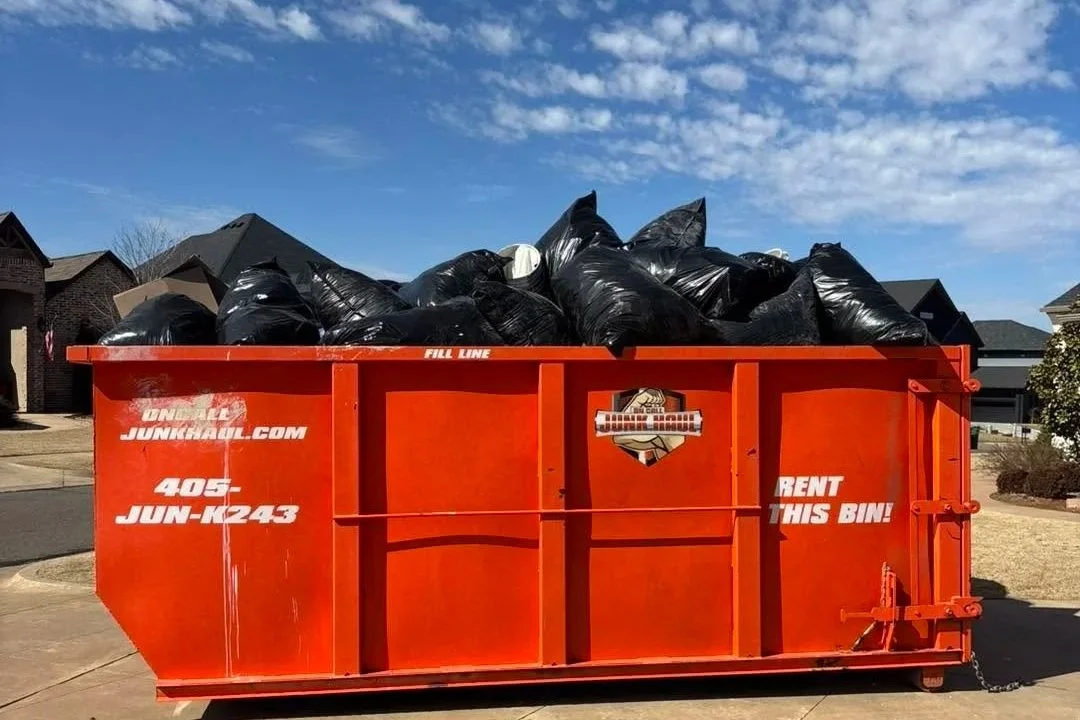
One of the first steps in reducing waste management costs is identifying the types and volume of solid waste generated by the business. Many organizations dispose of materials without fully understanding how much waste is being produced or where it originates. Reviewing common types of construction waste, packaging materials, office supplies, and outdated equipment can help businesses make better disposal decisions.
Once waste sources are identified, facility managers can make more informed decisions about container sizes and service frequency. Understanding waste generation patterns often reveals opportunities for waste reduction and sustainable practices before materials even enter collection trucks. Whether handling residential recycling materials or industrial debris, following recycling guidelines helps streamline the process.
Organizations with a strong waste & recycling experience can identify practical ways to minimize unnecessary waste while improving operational efficiency. Some businesses may also utilize local drop-off locations or a dedicated recycling center to manage specific recycling materials.
Choose the Right Dumpster Size
Selecting the appropriate roll-off dumpster size is one of the most effective ways to control waste management expenses. A container that is too small may require additional pickup loads, resulting in higher service costs and potential disruptions. Conversely, a container that is too large may lead to paying for unused space.
Businesses should evaluate the amount of waste generated and select from various dumpster sizes and container dimensions that align with actual needs. For instance, a 22 -yard dumpster might suffice for minor office renovations, while a 30-yard dumpster is often preferred for large-scale demolition jobs or whole-building home remodels. Properly sized waste collection containers support better organization and reduce the risk of overflow.
Schedule Waste Removal Strategically
Waste collection schedules play a major role in overall disposal costs. Some businesses pay for garbage collection more frequently than necessary, while others wait too long, leading to overflowing containers. Finding the right balance ensures that waste management remains both practical and cost-effective.
Reviewing service scheduling options allows businesses to establish a routine that aligns with actual needs. During busy seasons, temporary adjustments or multi-haul jobs can help manage increased volume. Consistent communication regarding service changes ensures that collection trucks arrive only when necessary, maintaining high levels of customer satisfaction.
Reduce Waste at the Source and Recycling Services
The most effective way to lower disposal costs is often to reduce the amount of waste generated. Businesses can evaluate purchasing practices and identify opportunities to minimize unnecessary materials. Ordering products with less packaging and utilizing reusable supplies can help decrease the volume sent to landfill disposal.
A robust recycling program is another key component. Mixing recycling materials with general waste can increase disposal expenses. Establishing clearly labeled areas for residential recycling or commercial recycling programs can help employees separate cardboard, paper, and metal. Partnering with a provider that offers comprehensive recycling services and understands local recycling guidelines helps support sustainable practices.
Use Temporary Dumpsters for Special Projects
Businesses often generate significantly more waste during temporary projects than during normal operations. Office renovations, restaurant bathroom remodels, warehouse cleanouts, and property upgrades can produce large volumes of debris. In these situations, a temporary roll-off dumpster rental may be more cost-effective than standard commercial waste collection.
A dedicated roll-off dumpster provides a centralized location for roofing debris, heavy materials, and other construction waste. Professional delivery and pickup services ensure the roll-off dumpster is placed exactly where it is needed on the construction site. For long-term projects, an Extended Rental Period may be arranged to accommodate shifting timelines.
Manage Heavy Materials and Bulk Items
Disposing of heavy materials and bulk items requires specialized waste management solutions. Roofing debris, large furniture, and demolition material can quickly fill standard containers. Businesses should explore bulk pickup options for items that do not fit in regular waste collection containers.
Planning for remodeling, cleanup, or demolition jobs involves accurately estimating the volume of construction waste. Using the right container sizes helps prevent overweight charges and ensures that heavy materials are transported safely to the appropriate landfill disposal or recycling center. Construction waste recycling initiatives can also help divert materials from landfills.
Partner With a Reliable Waste Removal Provider
A dependable waste removal provider with extensive waste & recycling experience can help businesses develop practical solutions for managing waste efficiently. Professional customer service can assist with selecting dumpster sizes, coordinating delivery and pickup, and identifying recycling programs that align with operational goals.
Whether managing ongoing garbage collection or handling debris from home renovation projects, having access to reliable roll-off dumpster services helps businesses maintain cleaner properties. On Call Junk Haul & Moving provides roll-off dumpster rental, junk removal, and moving services in the Oklahoma City area. Proper planning and the right waste services can help businesses reduce unnecessary expenses while maintaining professional work environments.
Please note that hazardous materials and dirt are not accepted for junk hauling services. Hazardous waste should always be handled through approved programs.
Frequently Asked Questions
1. What are the most common roll-off dumpster sizes for a business?
The most common sizes include the 22-yard dumpster and the 30-yard dumpster. Selecting based on container dimensions and your specific project, such as office renovations or bathroom remodels, helps control costs.
2. How do recycling services impact waste management costs?
Effective recycling programs and adhering to recycling guidelines can reduce the volume of waste sent to landfill disposal, often lowering overall waste collection expenses.
3. Can I get a temporary dumpster for a short-term home renovation?
Yes, temporary dumpsters are ideal for home remodels, remodeling cleanup, and quick property cleanouts. Providers offer various service scheduling options and an extended rental period if the project takes longer than planned.
4. What is included in Commercial Waste Collection?
Commercial waste collection typically includes scheduled garbage collection, waste collection containers, and sometimes recycling services or yard waste removal, depending on the business's needs.
5. What should I do with Bulk items and Construction waste?
For Bulk items that do not fit in standard bins, you can arrange for bulk pickup options. Construction waste from demolition jobs should be placed in a roll-off dumpster to ensure safe transport and potential construction waste recycling.