Commercial Versus Residential Dumpster Rentals and How to Choose
CHOOSING THE RIGHT WASTE SOLUTION: COMMERCIAL VS. RESIDENTIAL DUMPSTER RENTALS
Dumpster rental can make cleanup projects more organized, whether the job involves home cleanouts, office junk, retail waste, renovation projects, construction debris, or household waste. Choosing between commercial and residential dumpsters starts with understanding the project size, scale, waste volume, available placement space, and acceptable waste types.
For customers in Oklahoma City, OK, and Edmond, Oklahoma, On Call Junk Haul & Moving provides dumpster rental services for various cleanup needs, along with junk removal and moving support. Before booking roll-off dumpsters, review the differences between residential and commercial dumpster rentals to ensure the right container size supports cleanup from start to finish.
What Is a Residential Dumpster Rental?
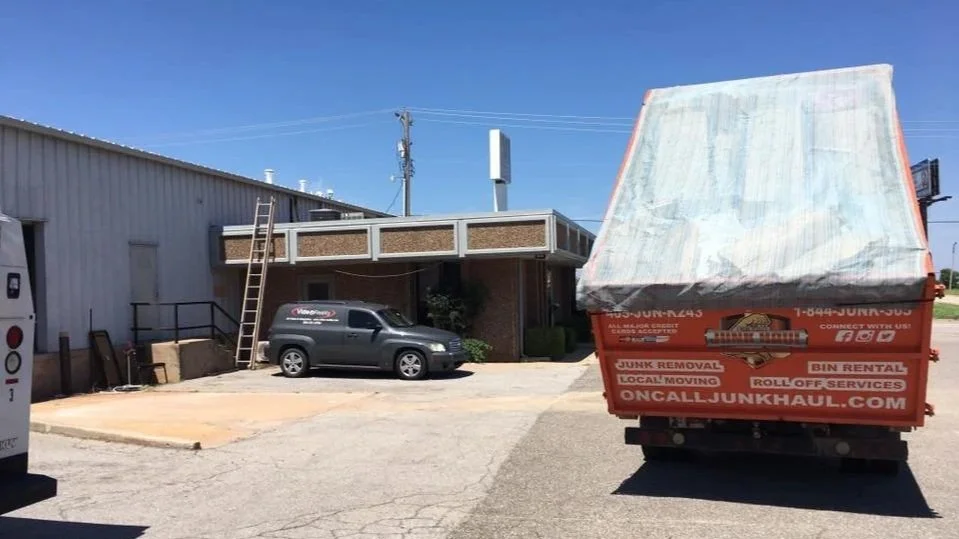
A residential dumpster rental is commonly used for home projects and small-scale projects. Homeowners, renters, landlords, and property managers may need a dumpster for garage cleanouts, attic cleanouts, estate cleanouts, yard waste, furniture disposal, roofing materials from approved residential work, or general household junk.
Residential dumpsters usually focus on convenience and placement near a home. Common placement areas include driveways, private parking areas, or other approved spaces with enough room for delivery and pickup. A residential dumpster can help keep debris in one place instead of creating piles around the property.
What Is a Commercial Dumpster Rental?
A commercial dumpster rental is used for business, contractor, property management, retail, office, warehouse, apartment complexes, industrial facilities, or construction site cleanup needs. Commercial projects may involve larger waste volumes, heavier daily use, repeated waste removal, high-volume debris, or sector-specific materials generated across a business property.
Commercial dumpster rentals can be useful for office cleanouts, retail remodels, renovation sites, construction sites, tenant turnover, warehouse organization, restaurant cleanouts, and property maintenance. Commercial waste management may require closer planning around access, parking lots, loading zones, business hours, pickup timing, regulations and permits, regulatory reporting, and local waste management ordinances.
Key Differences Between Commercial and Residential Dumpster Rentals
The biggest difference between commercial and residential dumpster rentals usually comes down to the project setting. Residential dumpsters support household waste, home cleanouts, and home projects, while commercial dumpsters support business cleanup, construction waste, and job-site cleanup needs. A residential project may involve old furniture, boxes, appliances, carpet, cabinets, or household clutter. A commercial project may involve fixtures, shelving, office furniture, packaging waste, renovation debris, construction debris, or larger junk volume.
Another key difference involves access, size, capacity, and cost structure. A home driveway may offer a straightforward placement area, while a business property, construction project, or commercial site may require coordination with staff, customers, tenants, parking areas, or delivery zones. Commercial dumpster rental planning may also include property owner approval, access gates, after-hours work, repeated disposal methods, transfer stations, landfill disposal requirements, or recurring waste management needs.
How to Choose the Right Dumpster Rental
Start by identifying the project type. A home cleanout, garage cleanup, yard cleanup, or small remodeling project usually fits residential services and residential dumpster rental needs. A business cleanout, contractor project, rental property cleanout, office renovation, construction project, or cleanup at construction sites usually fits the bill for commercial dumpster rentals.
Next, estimate the volume and type of debris. Large furniture, broken items, flooring, cabinets, boxes, roofing materials, yard waste, and general junk may require more space than expected. Choosing the right dumpster size based on container capacity and waste volume can reduce the need for extra hauling or multiple disposal trips. For mixed junk, asking about acceptable waste types before scheduling can help prevent delays.
Consider the Type of Waste
Not every material can go into a dumpster. Some items require special handling or cannot be accepted. Customers should confirm that materials are approved before loading a dumpster, especially when handling construction waste, household waste, renovation debris, roofing materials, yard waste, or sector-specific materials from commercial locations.
Please note: concrete, dirt, and hazardous materials are not accepted for junk hauling. Hazardous waste can include chemicals, paint, oils, fuel, pesticides, batteries, and other unsafe materials. If a project includes restricted materials, separate disposal methods through an approved disposal facility, transfer station, or landfill may be required.
Consider the Project Location
Dumpster placement matters for both residential and commercial projects. A residential dumpster may need a clear driveway or private area with enough space for drop-off and pickup. A commercial dumpster may need to be placed in a parking lot, loading area, industrial facility, renovation site, apartment complex, construction site, or job-site access point.
Before scheduling, check for low-hanging branches, wires, parked vehicles, narrow gates, steep slopes, or blocked access. Commercial properties may also require approval from management, ownership, or a site supervisor before delivery. Some locations may also require permits, regulations, or waste management ordinances, depending on the placement and property rules.
Consider the Timeline
A residential project may happen over a weekend, during a move, or throughout a renovation. A commercial project may require scheduling around business hours, contractor phases, tenant turnover, construction site access, or building entry.
Choosing the right rental period can make cleanup easier. A shorter project may only require temporary placement, while a larger commercial cleanup may require more planning for waste removal, handling high-volume debris, or repeated loading. Clear timing helps coordinate delivery, loading, and removal.
Residential Dumpster Rental Uses
Residential dumpster rentals can support many home cleanup projects. Common uses include decluttering before a move, cleaning out a garage, removing old furniture, clearing household junk, cleaning rental homes, removing yard waste, or handling debris from minor renovation projects.
A dumpster can be especially helpful when junk removal involves bulky items or multiple rooms. Instead of stacking unwanted items in different areas, a dumpster creates one central place for approved debris. Residential services may also be useful when home projects produce more material than regular trash pickup can handle.
Commercial Dumpster Rental Uses
Commercial dumpster rentals can support businesses, contractors, landlords, property managers, apartment complexes, retail spaces, warehouses, industrial facilities, renovation sites, and construction sites. Common uses include office furniture removal, retail display removal, warehouse cleanouts, apartment turnover, construction cleanup, construction debris collection, and business remodeling projects.
A commercial dumpster can also help keep a job site or business property more organized during cleanup. Proper placement allows workers or staff to load approved debris without interrupting normal property access as much as possible. Commercial waste management can also require attention to waste types, disposal methods, cost structures, regulatory reporting, and local waste management ordinances.
Questions to Ask Before Renting a Dumpster
Before choosing a Dumpster rental, ask about the available dumpster sizes, accepted materials, rental period, where the dumpster can be placed, and any access requirements. Clear answers can help match the rental to the project's size and expected waste volume.
Customers should also ask about items requiring separate disposal. Some projects include mixed materials, such as household waste, construction waste, yard waste, roofing materials, and commercial debris, so a quick review before loading can prevent problems. If junk removal, dumpster rental, or moving support is needed in Oklahoma City, OK, or Edmond, OK, call (405) 586-5243 or use our online form.
Choosing Between Commercial and Residential Dumpster Rentals
Choose a residential dumpster rental for home cleanouts, move-related junk, small remodeling debris, yard waste, home projects, or household clutter. Choose a commercial dumpster rental for business cleanouts, job-site debris, construction debris, office furniture, retail projects, apartment complexes, renovation sites, industrial facilities, or property management cleanup.
The right choice depends on location, debris type, space, access, project scope, size and capacity, container size, waste volume, and cost structure. When in doubt, describe the cleanup project, the type of materials, and the loading area before scheduling. A clear project overview can help determine the most suitable dumpster rental option.
FAQs About Commercial Versus Residential Dumpster Rentals
1. What is the main difference between commercial and residential dumpster rentals?
The main differences are the project setting and scale. Residential dumpsters are used for home cleanouts, moving debris, garage junk, household waste, and home projects. Commercial dumpsters are used for business cleanouts, construction sites, office projects, retail spaces, apartment complexes, industrial facilities, and property management cleanup.
2. Can a residential customer rent a dumpster for remodeling debris?
Yes, a residential dumpster rental can be used for many renovation projects and remodeling cleanup needs, as long as the materials are accepted. Before loading, confirm whether specific debris can be placed in the dumpster. Concrete, dirt, and hazardous materials are not accepted for junk hauling.
3. What projects usually need commercial dumpster rentals?
Commercial dumpster rentals are often used for office cleanouts, store remodels, warehouse cleanouts, apartment cleanouts, contractor projects, construction project cleanup, renovation sites, and business property cleanup. Larger waste volume, high-volume debris, or business-site placement can make a commercial rental a better fit.
4. How should a dumpster placement spot be chosen?
Choose a flat, accessible area with enough clearance for delivery and pickup. Driveways, parking lots, loading areas, construction sites, and approved commercial spaces may work, depending on the property. Keep vehicles, branches, wires, gates, and other obstacles out of the placement area, and check applicable regulations and permits.
5. Are hazardous materials allowed in dumpster rentals?
No. Hazardous materials are not accepted. Concrete and dirt are also not accepted for junk hauling. For chemicals, paint, oils, fuel, pesticides, batteries, or similar materials, contact an approved disposal facility and follow proper disposal methods.